Most retailers treat transactional messages like plumbing. Order confirmations, shipping alerts, delivery updates, OTPs. They go out automatically. Nobody questions them. Nobody measures them beyond delivery receipts.
And that is the mistake.
Transactional messages are the most-opened, most-trusted, most-anticipated communications a retail brand sends. And almost nobody is using them to drive revenue. The opportunity sitting inside your existing message volume is significant. This piece explains where that revenue is hiding, why traditional marketing channels can’t reach it, and how to build a structure that captures it without adding friction.
Why transactional messages outperform everything else you send
Start with attention. Promotional emails compete with hundreds of other inbox items. Paid social fights for a fraction of a second. Transactional messages, by contrast, arrive at a moment the customer is actively waiting for them. They open immediately. They read carefully. They often re-read.
The Narvar 2025 State of Post-Purchase Report makes this concrete. Their survey of 3,461 US online shoppers found that two-thirds of consumers feel anxiety after clicking “buy”. Forty-one percent report that they’ve had a package stolen, and 40% abandoned a purchase in the past year because they feared it would be. Seventy-four percent of consumers experienced a late delivery in the past year, and 86% encountered at least one delivery issue.
This means that almost nine out of ten shoppers have hit a problem with delivery in the past year. That anxiety is the gap. And every transactional message is an opportunity to close that gap. Every silence, however, is an opportunity to widen it.
The same report found that when issues occur, shoppers want acknowledgement (46%), clear explanations (46%), and real-time updates (45%) before they have to ask. They are not asking for marketing. They are asking for clarity.
Where the hidden revenue actually is
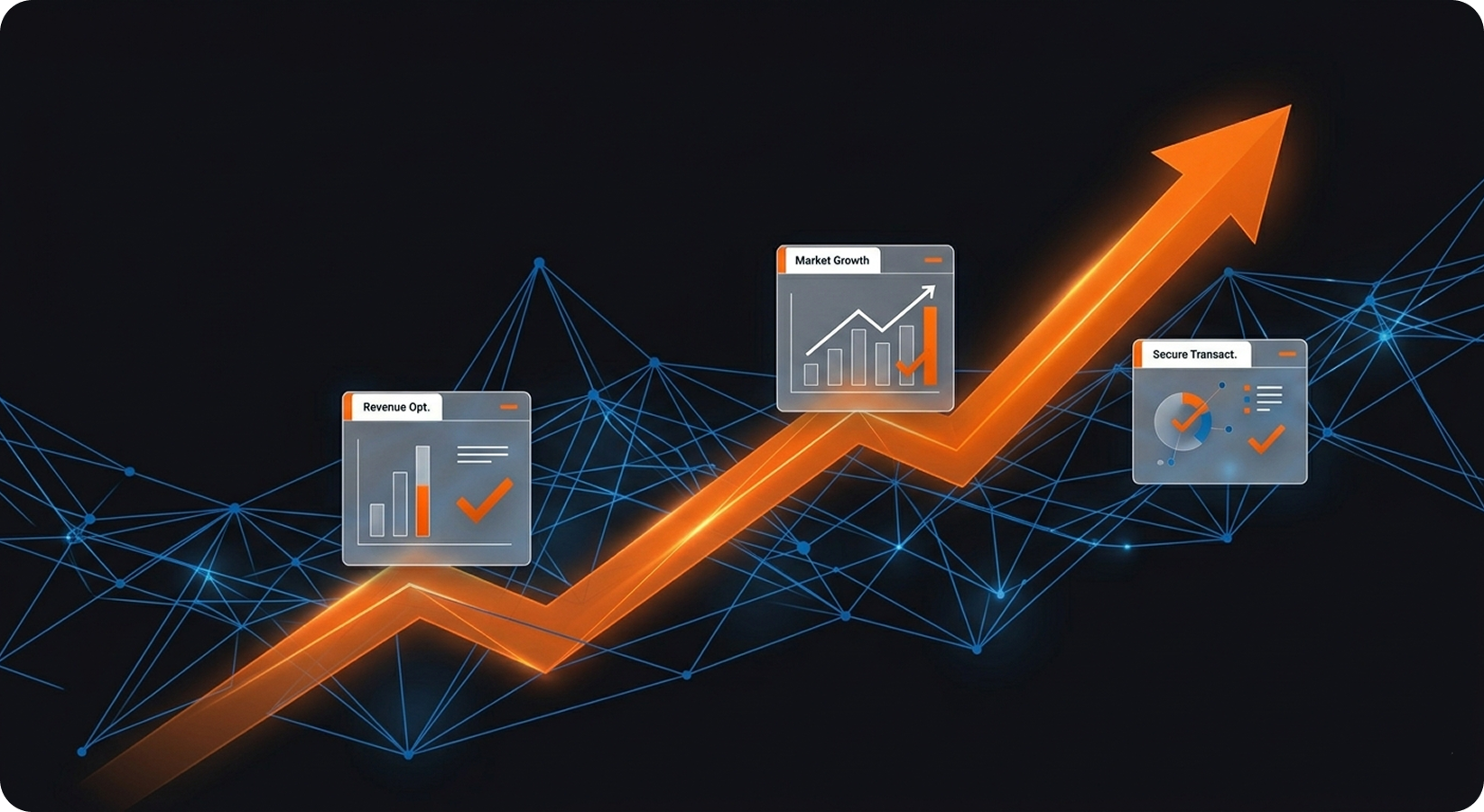
Hidden revenue in transactional messages comes from four places. None of them require sending more messages. They require sending smarter ones.
1. Reduced cart abandonment from delivery confidence
Delivery anxiety starts before the order is even placed. Shoppers who don’t trust your delivery process never click buy in the first place. About 60% of shoppers are more likely to buy if they know the exact delivery date.
A clear, branded order confirmation with an accurate delivery estimate is not a cost centre. It is the first signal to a customer that the next purchase will be safe. Confidence at this stage compounds. It shows up later as repeat purchases.
2. Lower WISMO support costs
WISMO stands for “where is my order”. It is the single most expensive question in retail customer service. Every WISMO call or chat ticket has a real cost. Multiply by the volume your support team handles and the figure gets uncomfortable fast.
Proactive transactional messaging eliminates most of those tickets. A customer who gets a “your order is out for delivery, expected by 3 PM” message does not call. They wait. The cost saving is immediate and measurable. We covered the operational side of this in detail in our piece on the hidden cost of “good enough” returns and manual processes.
3. Repeat purchases driven by post-purchase trust
Repeat customers drive a disproportionate share of retail revenue. The window where the next purchase is won or lost sits between checkout and delivery. Get the messaging right, and you stay top of mind. Get it wrong, and you become the brand the customer never buys from again.
Generational data from Narvar’s 2025 report makes this stark. After even a single bad experience, 60% of 18–29-year-olds say they won’t shop again with that retailer, compared with only 17% of shoppers 60 and over. Younger buyers will not give you a second chance. The transactional message thread is where you earn it the first time.
4. Channel revenue from rich, interactive formats
This is where things get interesting. SMS has done the heavy lifting for transactional messaging for two decades. It still works, but it is not the only option. RCS, WhatsApp, and Viber now allow brands to send branded, verified, interactive messages inside the same delivery window.
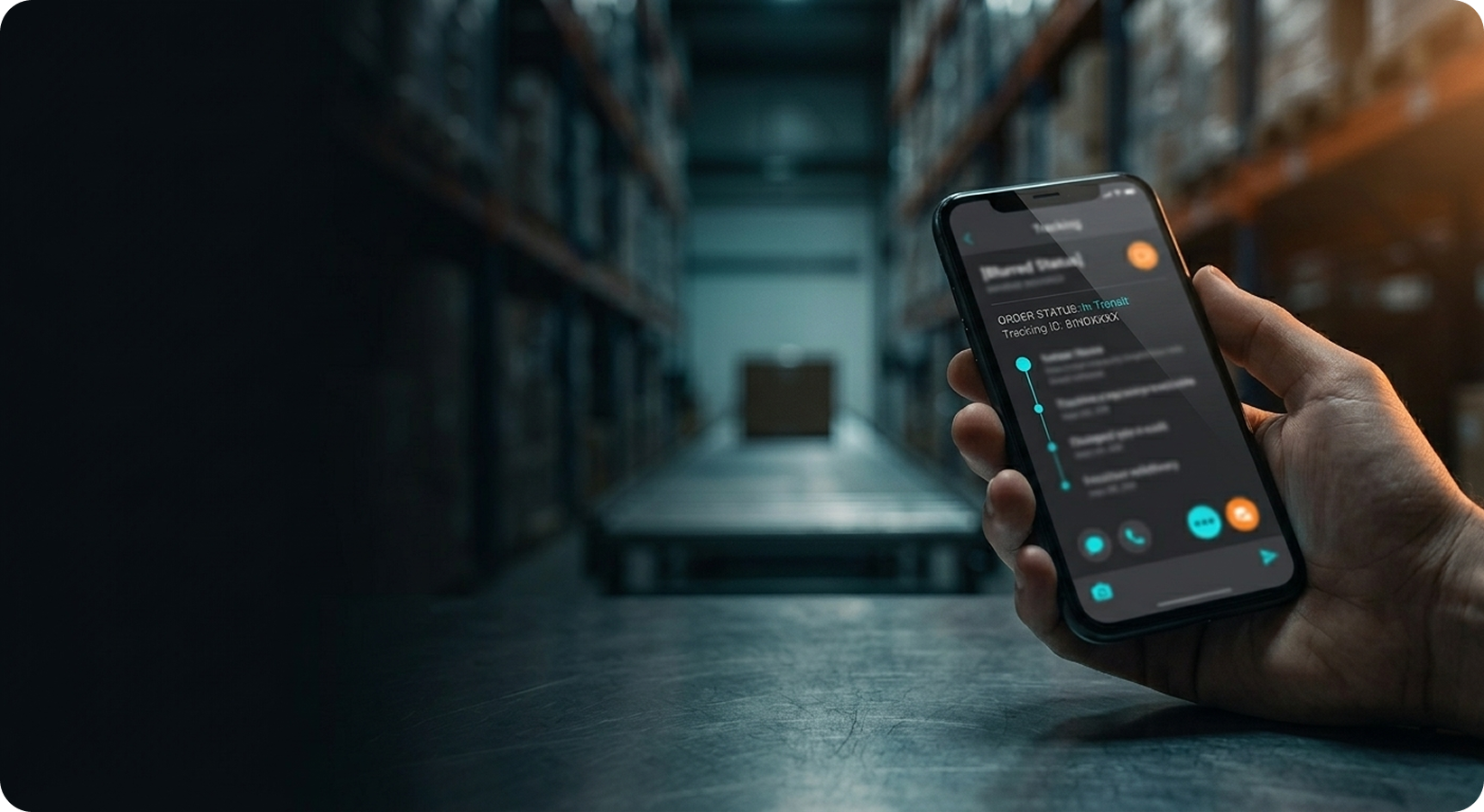
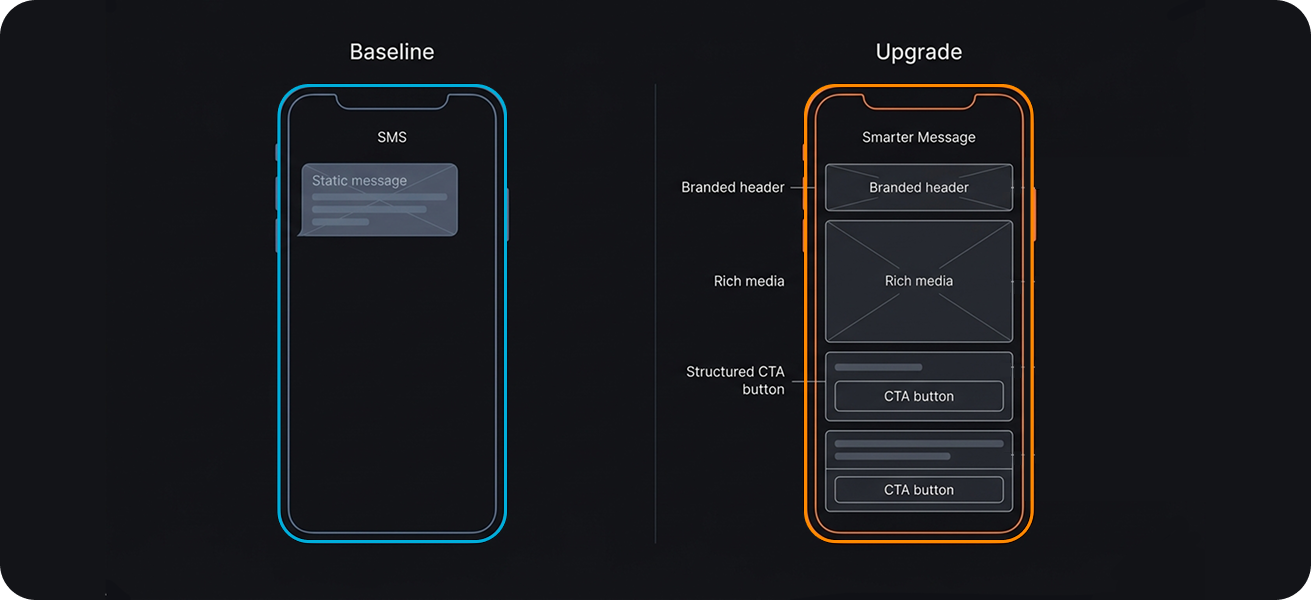
That means an order tracking update can include a product image, a button to track the parcel, and a second button to contact support. A delivery confirmation can include a verified review request and a discount code for the next purchase. None of this is a separate marketing campaign. It rides on the back of a message the customer was already going to read.
The channel decision matters more than people realise
Picking the right channel for the right message is where most retailers leave revenue on the table. Different channels do different jobs. Treating them as interchangeable wastes the strengths of each.
SMS remains the universal fallback. Every phone in every country supports it. Delivery is reliable. It is the right choice for OTPs, urgent alerts, and any customer where you have no information about preferred channels.
RCS is where the format conversation is heading. Juniper Research forecasts that global business messaging traffic will grow from 2 trillion messages in 2025 to nearly 3 trillion by 2030, across SMS, RCS, and OTT channels combined. The growth driver is not simple alerts. It is conversational use cases: commerce, customer support, and real-time engagement. For retailers, the appeal of RCS specifically is verified sender IDs, branded headers, rich media, and quick-reply buttons. The trust angle alone is worth the investment, and we explored why in our post on the trust economy.
WhatsApp and Viber matter where they matter. In Croatia, Italy, parts of Germany, and across most of Southeast Europe, these are the apps customers actually use. A delivery update on WhatsApp lands in the same thread as messages from family. The engagement reflects that. We looked at how this plays out in the logistics world in our piece on two-way driver dispatch over WhatsApp.
The point is not to pick one. The point is to route each message to the channel that makes sense for the customer, the country, and the use case. That routing decision is where channel infrastructure earns its keep.
What “smarter” actually looks like in practice
Here is the gap between average and good. Average retailers send a message that says “your order has shipped”. Good retailers send the same message with three things added.
First, an accurate delivery estimate the customer can plan around. Second, a branded tracking link that opens a page the retailer controls, not a generic carrier page. Third, a quiet, relevant nudge. Not a hard sell. A “customers who bought this also liked” line, or a reminder about a loyalty programme, or a one-tap button to add a complementary item to a future order.
None of this changes the message’s primary job, which is to inform. It just stops wasting the attention the message has already earned.
BCG’s 2024 Personalization Index backs this up at the retail-specific level. Revenue growth at retail personalization leaders runs 10 percentage points higher than at laggards, and BCG estimates that $570 billion in incremental growth is available to top retailers before the decade ends. The retailers capturing those numbers are not running more campaigns. They are making the touchpoints they already own work harder.
The data layer nobody talks about
Smart transactional messaging needs clean data underneath it. A delivery alert sent to a disconnected number is wasted spend. A two-factor code sent to a recycled number is a security incident waiting to happen. A WhatsApp message routed to a customer who actually uses Viber lands nowhere.
This is where number intelligence quietly does most of the work. Validating whether a number is active, identifying the correct carrier, checking portability, and routing accordingly. It is invisible when it works. It is expensive when it does not.
The retailers getting the most out of transactional messages tend to invest here first. Cleaner data means better delivery rates, fewer failed messages, and more accurate cost reporting. It also means the rich-format messages reach the customers who can actually receive them.

A practical starting point
If you want to test the hidden revenue thesis without rebuilding your stack, start with three things.
First, audit what you currently send. List every transactional message your customer receives from order placement through delivery confirmation. Count them. Most retailers are surprised by how few there are, and how generic they look.
Second, measure what is happening after each one. Open rates are a starting point but not the metric that matters. The real questions are: how many WISMO tickets does each stage generate, how many repeat purchases follow each delivery confirmation, and how many customers contact support inside the messaging thread itself?
Third, pick one message to upgrade. Not all of them. Just one. The shipping confirmation is usually the highest-leverage choice. Add a branded tracking page, an accurate delivery estimate, and one relevant follow-up action. Run it for a quarter. Compare against the previous baseline.
You will find revenue you did not know you had.
The bigger point
Transactional messages are not an operational expense. They are a customer relationship asset most retailers underuse. The brands treating them as such are building real advantages: lower support costs, higher repeat purchase rates, and a delivery experience customers actively trust.
The infrastructure to do this is no longer the bottleneck. The bottleneck is the assumption that a transactional message is just a receipt. It is not. It is the most reliable communication channel you own with the customers most likely to buy from you again.
Stop sending receipts. Start sending the thing the customer was actually waiting for.